Serving Richland, WA and surrounding areas. (509) 392-6617
Everything your home stands on depends on this one step. We install foundations in Richland that are prepared for Columbia Basin sandy soil, Eastern Washington seismic requirements, and extreme summer heat - with full permit handling and no shortcuts.
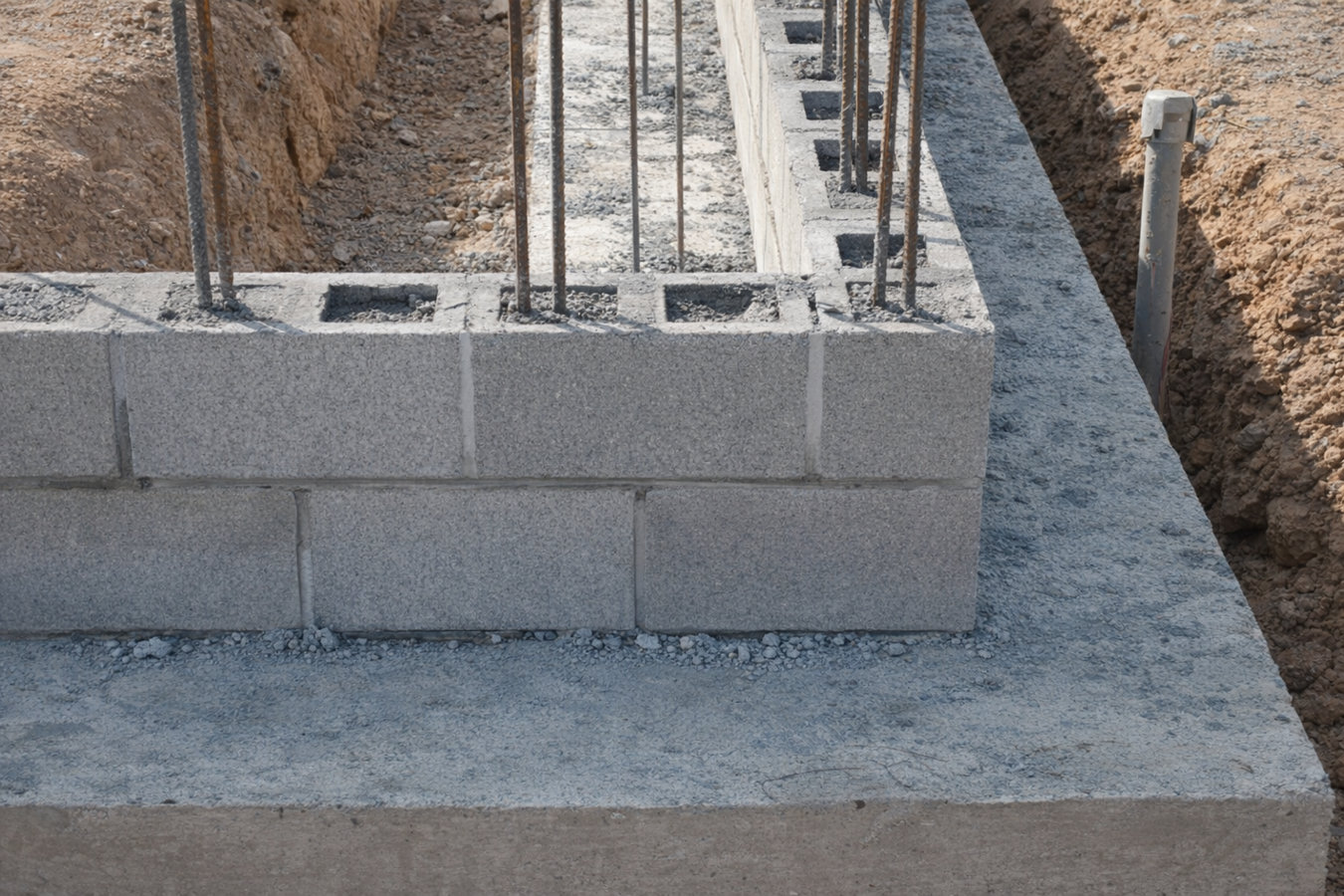
Foundation installation in Richland means assessing your lot, getting the required permit from the City of Richland, excavating and preparing the soil, placing reinforcing steel, pouring concrete, and managing the curing period through Eastern Washington heat or cold - most residential foundations are complete in one to three weeks of physical work, with a full timeline of four to six weeks from first call to inspected finish.
Most homeowners contacting us are either starting a new build on a Richland lot or replacing a foundation that has been showing problems for years. The sandy, loose soil across much of the Columbia Basin is a defining condition here - it drains well but needs careful compaction and sometimes engineered fill before concrete is placed. If you are planning new construction and need a slab foundation as the starting point, that is often the fastest path to a permitted, inspected foundation in this area.
If doors or windows that used to open and close smoothly have started sticking, jamming, or leaving gaps at the corners, your home may be shifting. This is often one of the first visible signs a foundation is moving or settling unevenly. In Richland, where sandy soil can shift significantly between a wet winter and a dry summer, this kind of movement is worth taking seriously rather than waiting to see if it corrects itself.
Small hairline cracks in drywall are common and usually harmless. But diagonal cracks running from the corners of windows or doors toward the ceiling, or horizontal cracks in a crawl space wall, often indicate the foundation is under stress. Cracks wider than a credit card, or cracks that seem to be growing, are a signal to call a professional - not to wait for the next inspection.
Richland gets most of its precipitation in winter and early spring, and snowmelt from nearby hills can push water toward home foundations. Standing water, damp soil, or a musty smell in your crawl space after wet weather means your foundation drainage may be failing or was never properly installed. Left alone, this leads to mold, wood rot, and structural damage that grows more expensive to fix the longer it goes unaddressed.
If your floors slope noticeably in one direction, or if certain spots feel soft or springy when you walk over them, the structure beneath may be compromised. In older Richland homes with crawl space foundations, this can mean the foundation walls or support posts have shifted. It is worth having a contractor assess it before the problem - and the repair cost - gets worse.
We install residential foundations in Richland and across the Tri-Cities for new construction and replacement projects. Our work includes the full scope - site assessment, permit application, soil compaction and grading, forming, steel reinforcement, pouring, drainage systems, and moisture barriers. We coordinate every city inspection through the City of Richland Building Division so the paperwork is clean when the job is done. For new builds where a slab is the right choice, slab foundation building is a dedicated service we offer as well.
Foundation work often connects to other structural concrete. If your project also needs a concrete parking lot or hardscape work tied to the structure, we scope and schedule all of it together. Every foundation we install is built to Washington State seismic standards and Richland building code requirements - not just the minimums, but the details that matter in this specific climate and soil type.
Best for new homes, garages, and additions on flat lots - the most common foundation type in Richland and the fastest path to a permitted, inspected foundation.
Right for sloped lots or properties where access to plumbing and mechanical systems underneath the floor is important - common in older Richland neighborhoods near downtown.
Suits homeowners with an existing foundation that has failed structurally and needs to be removed and replaced - typically in older homes where the original work did not meet current standards.
Designed for homeowners building on newer lots in South Richland or West Richland where fill soil requires additional preparation before any foundation work can begin.
The soil under most of Richland is a direct result of the ancient Missoula Floods that shaped the Columbia Basin thousands of years ago - sandy, loose deposits that drain well but require careful compaction before a foundation is placed on them. Unlike dense clay soils, this type of ground can settle unevenly if preparation is rushed, and newer subdivision lots in areas like South Richland and West Richland sometimes include engineered fill that behaves differently from native soil. A contractor who has worked across Benton County knows to assess the soil conditions on your specific lot before committing to a price. Washington State University Extension offers resources on soil behavior in Eastern Washington that give context to what a contractor working in this region needs to account for.
Climate timing matters just as much as soil prep. Richland summers exceed 100 degrees and winters bring freezing temperatures - both extremes affect how concrete cures and whether a foundation reaches full design strength. The spring and fall windows are the optimal pour seasons for this reason. Homeowners in Pasco and West Richland face the same conditions, and across the Tri-Cities the combination of sandy soil and seasonal extremes is why local experience is not just useful - it is the difference between a foundation that lasts 50 years and one that needs attention within a decade.
We respond within one business day. Before giving you a price, we visit your property to look at soil conditions, lot slope, drainage, and equipment access. Sandy Columbia Basin soil varies lot by lot, and your estimate should reflect your actual site.
We apply for the required building permit with the City of Richland Building Division on your behalf. Approval typically takes one to two weeks. You do not need to do anything during this time - we keep you updated and confirm your project schedule once the permit is in hand.
Once the permit is approved, the crew excavates, removes loose or unsuitable soil, and compacts or brings in engineered fill as needed. This phase - one to three days depending on lot conditions - is the noisiest and most disruptive part of the job. A correctly prepared base is what prevents uneven settling down the road.
After forming, steel placement, and a pre-pour city inspection, we pour and finish the concrete. We manage curing with Richland's climate in mind - early morning pours and protective coverings in summer heat. A final city inspection closes the permit and gives you documentation confirming the work was approved.
We visit your lot before we quote, handle all permits, and plan pours around Richland's seasonal extremes. No surprises on price or timeline.
(509) 392-6617The sandy, loose soil across much of Richland and the Tri-Cities region needs specific preparation before any concrete foundation is placed. We assess every lot in person before pricing because soil conditions vary significantly across Benton County - and a foundation built on improperly prepared ground is an expensive problem to fix years later.
Every foundation installation we do in Richland is permitted and inspected through the City of Richland Building Division. We handle all applications, fees, and inspection scheduling - you receive documentation when the job is complete that confirms the work was done to code. This protects you at sale time, at insurance claim time, and every year in between.
Eastern Washington sits in a seismic zone, and Richland winters bring precipitation that can push water against improperly drained foundations. We build both requirements into every job from the start - seismic anchor bolts and reinforcement per Washington State building code, and drainage systems designed to move water away from your foundation rather than toward it. National Association of Home Builders guidelines inform the drainage and waterproofing standards we follow.
One of the biggest concerns homeowners have about foundation work is a low estimate that climbs once work is underway. We provide a written, itemized estimate before work begins - one that accounts for your specific lot, soil conditions, and Richland permit requirements. Our Tri-Cities clients can contact us knowing there are no moving targets once the project starts.
Foundation installation is not the place to gamble on the cheapest bid. The details done correctly on day one - soil prep, drainage, seismic anchoring, permitted inspections - are the things that keep your home stable and dry for decades without unexpected repair bills.
Commercial and residential concrete parking lots that tie into the same site preparation and permitting process as foundation work.
Learn moreDedicated slab-on-grade foundation service for new homes, garages, and additions on flat Richland lots.
Learn moreSpring and fall are the best pour seasons in the Tri-Cities. Contact us now to get a site visit and written estimate before the prime booking window fills.