Serving Richland, WA and surrounding areas. (509) 392-6617
Your driveway, patio, or garage floor has sunk - and you want it fixed without tearing everything out and starting over. We lift settled concrete slabs in Richland back to level, quickly and at a fraction of replacement cost.
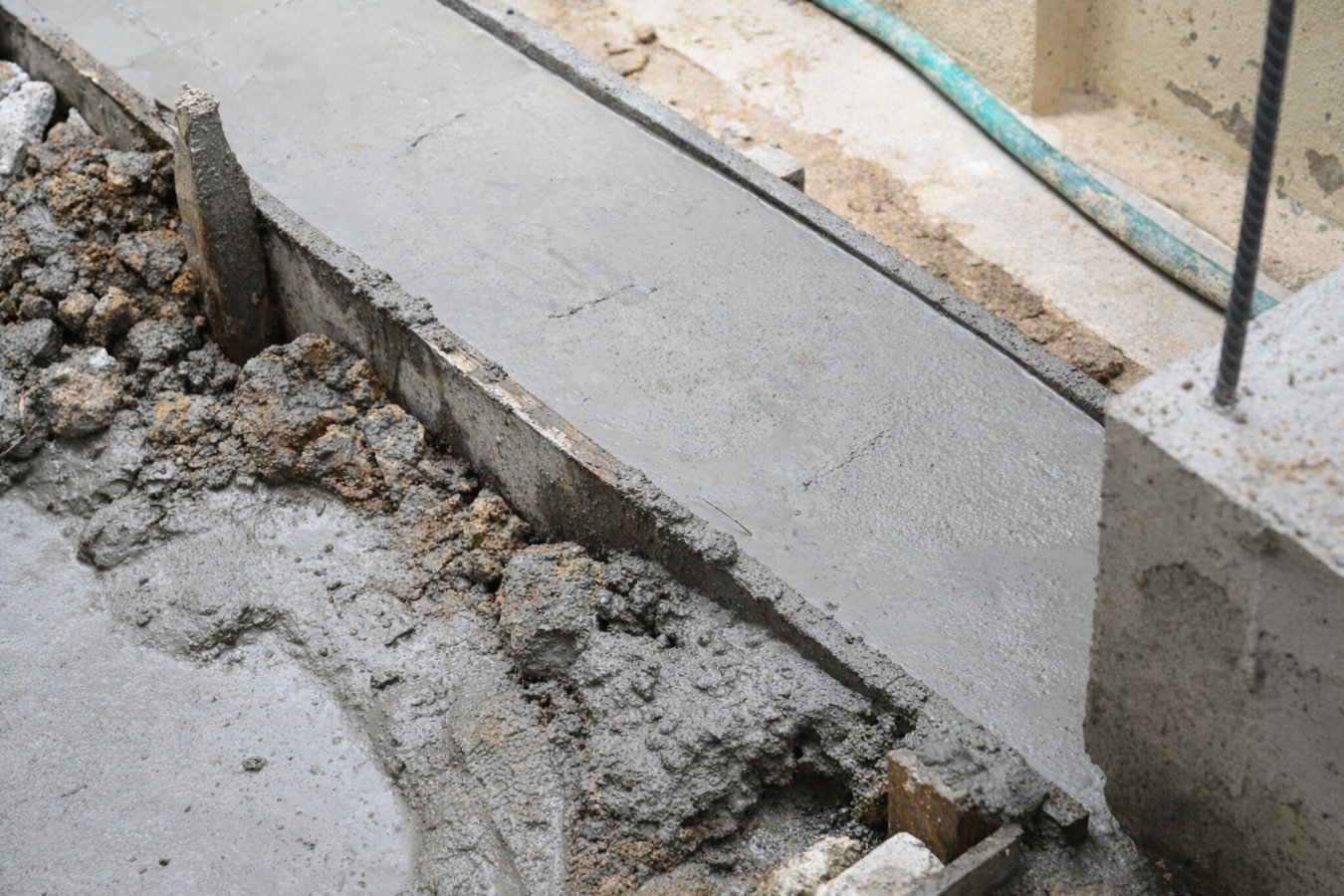
Foundation raising in Richland lifts sunken concrete slabs back to their original position by pumping material underneath through small drilled holes - most residential jobs on a driveway section, patio, or garage floor take two to four hours, and you can usually walk on the surface the same day.
Richland sits on sandy, silty soil deposited by ancient Columbia River floods, and that soil shifts when it gets wet or dries out - which is exactly what happens here every season. Once a void forms under your slab, the concrete drops. If the slab itself is still structurally sound, raising costs a fraction of a full replacement. If you are also dealing with larger structural concerns, our team also handles concrete cutting and full slab foundation building when replacement is the right call.
Stand at one end of your driveway or patio and look along the surface. If you can see a section that has dropped lower than the rest - even by an inch or two - the soil underneath has shifted. In Richland, this often shows up first near the garage apron or along the edge closest to a lawn irrigation zone.
After a rainstorm or after your sprinklers run, watch where the water goes. If it collects in a low spot on your driveway, patio, or walkway instead of draining away, that low spot is almost certainly a sunken section. Standing water also speeds up soil erosion underneath, so the problem tends to get worse the longer it sits.
Walk slowly across your garage floor, patio, or front walkway. If you feel a noticeable step up or down between two sections of concrete, the slabs have separated and one has sunk. This is one of the most common trip hazards in Richland homes, especially near front entry steps and garage thresholds.
If there is a gap under your garage door that was not there before, or if the door drags on one side, the garage floor slab may have shifted. This is a common early sign in Richland homes built on sandy fill soils, and it is worth having a contractor look before the gap gets large enough to let pests or cold air in.
We use both mudjacking and polyurethane foam injection, and we recommend the right method based on your soil conditions, the size of the void, and the slab weight. Mudjacking - pumping a cement-and-soil slurry under the slab - is the proven, lower-cost option for most residential jobs. Foam injection is newer, cures faster (often within a few hours), and adds almost no weight to the ground below, which makes it a strong choice for Richland homes on loose or sandy soil. We also handle concrete cutting when a section is too damaged to raise and needs to be removed cleanly before a patch is poured.
Every job starts with an honest assessment of whether raising is actually the right answer. If the slab is structurally compromised - crumbling, broken into multiple pieces, or cracked all the way through - we will tell you that replacement through our slab foundation building service is the better long-term investment. We would rather give you the right advice upfront than lift a slab that will fail again within two years.
Best for homeowners who want the proven, lower-cost method - works well on most residential driveways, patios, and garage floors.
Ideal for Richland homes on sandy or loose soil where adding weight under the slab is a concern, or where faster curing is a priority.
Suits homeowners with one or two sunken panels in an otherwise solid driveway - lift just the problem area without touching the rest.
Right for homeowners whose garage floor has dropped at the threshold or created an uneven surface that affects vehicle clearance or door operation.
Richland is built on sandy, silty soil deposited by the Missoula Floods thousands of years ago. That soil compacts unevenly and moves when it cycles between wet winters and bone-dry summers - conditions that put repeated stress on every concrete slab in the city. Irrigation systems common in Richland neighborhoods add to the problem: sprinkler heads placed too close to a slab edge can slowly wash soil away underneath, creating voids that cause the concrete to drop. Homes in established neighborhoods near West Richland and throughout the Hanford-era housing corridors often have slabs that are now 40 to 60 years old - well past the age when soil movement tends to become noticeable.
The climate window for foundation raising here is typically late spring through early fall, when soil moisture is stable and temperatures allow lifting materials to cure correctly. Winter lifts are possible but require extra care, and summer work in Richland - where temperatures routinely exceed 100 degrees - means your contractor needs to time the job right to avoid material setting too fast. Homeowners in Kennewick and other parts of the Tri-Cities face identical soil and climate conditions, and we serve the full region with the same local-specific approach. The American Concrete Institute provides guidance on slab tolerance and lifting standards that inform how we assess each job.
We ask a few basic questions - where is the sunken slab, how large is the area, have you noticed any cracks - and schedule an on-site estimate within a few days. You do not need to prepare anything for this visit.
We walk the area with you, measure the drop, and probe the soil around the slab edges to understand what is happening underneath. We tell you honestly whether raising is the right solution or whether the slab is too damaged to lift - and we give you a written estimate before we leave.
For work that requires a City of Richland building permit, we handle the application. You do not need to go to city hall or fill out paperwork - permitting adds a few days to the timeline, but it also means an independent inspector confirms the job was done correctly.
The crew drills small holes, pumps the lifting material, patches the holes, and cleans up - most residential jobs take two to four hours. We walk you through curing times before we leave: foot traffic is usually fine the same day, driving takes 24 to 48 hours for mudjacking.
We will assess your slab honestly, give you a written estimate, and only recommend raising if it is genuinely the right fix. No pressure, no upsells.
(509) 392-6617Lifting a slab without finding out why it sank in the first place leads to the same call in two or three years. We check soil conditions and irrigation placement before recommending a method, so the repair lasts.
Not every sunken slab is a candidate for lifting. If your concrete is crumbling or broken in multiple places, we will tell you before you spend money on a repair that will not hold. That kind of honesty builds the trust that keeps Richland homeowners coming back.
We work in Richland, Kennewick, Pasco, and West Richland regularly. We know the soil profiles, the permit process at the City of Richland Community Development Department, and the climate-specific timing that gives lifted slabs the best chance of staying level long-term.
Every contractor working on residential property in Washington is required to carry a current state license and insurance. You can verify ours through the Washington State Department of Labor and Industries before we ever show up at your door.
Foundation raising is one of those services where the difference between a good contractor and a poor one shows up a year or two after the job is done. We focus on the long game - correct method, correct cause diagnosis, and correct permit handling - so your repair holds.
When a section is too damaged to raise, we cut it out cleanly so a proper patch or replacement pour can be made.
Learn moreWhen lifting is not the right call, we pour a new slab foundation built to current thickness and reinforcement standards.
Learn moreRichland's freeze-thaw cycle widens the gap a little more each year. Call us now and we will assess your slab, give you a written estimate, and get it leveled before the next wet season hits.